Tangle

Brand kit

One indigo material at two exposures: a dark pole for product and a cool paper pole for reading. The thread motif is the product's own physics — tangled runs resolving into a reviewable artifact.

Two poles, one hue

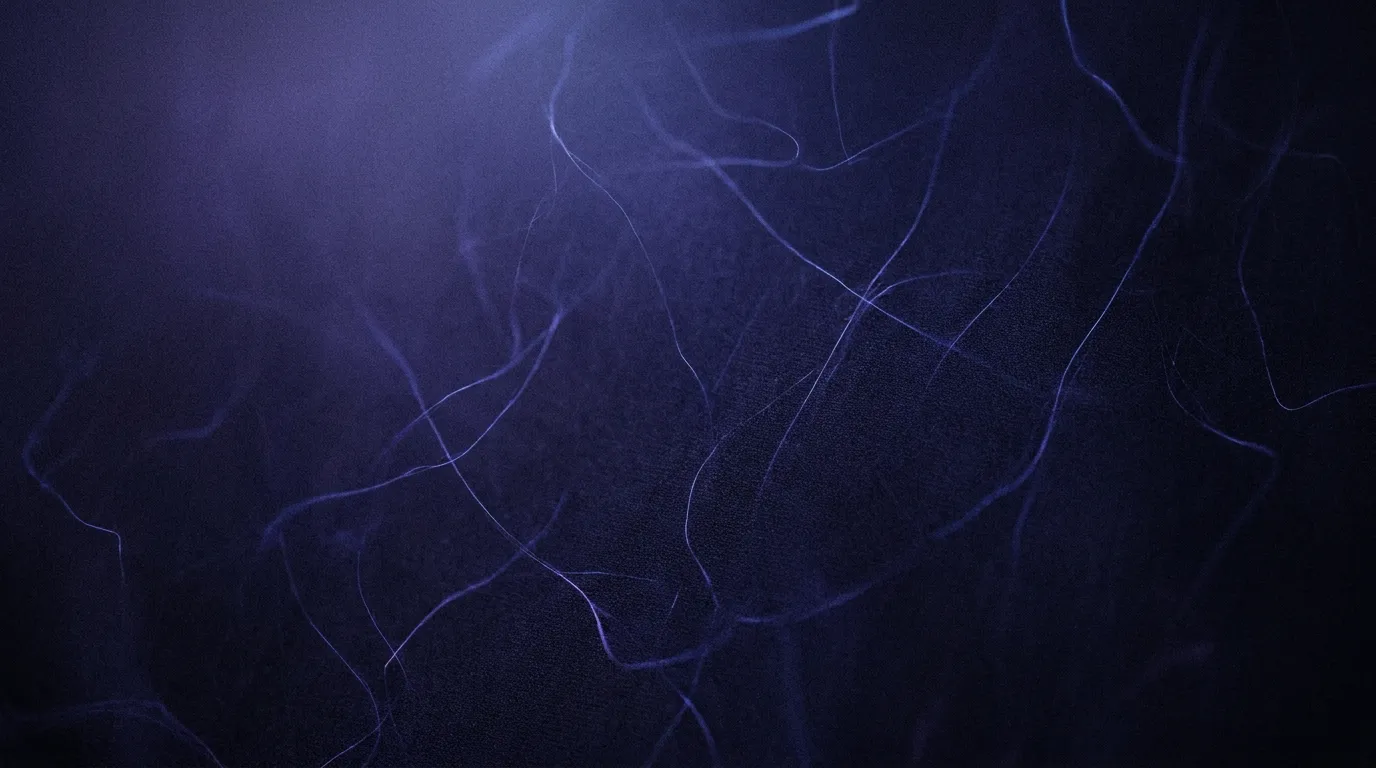
Tangle Dark pole atmosphere

Dark pole

Homepage, product surfaces

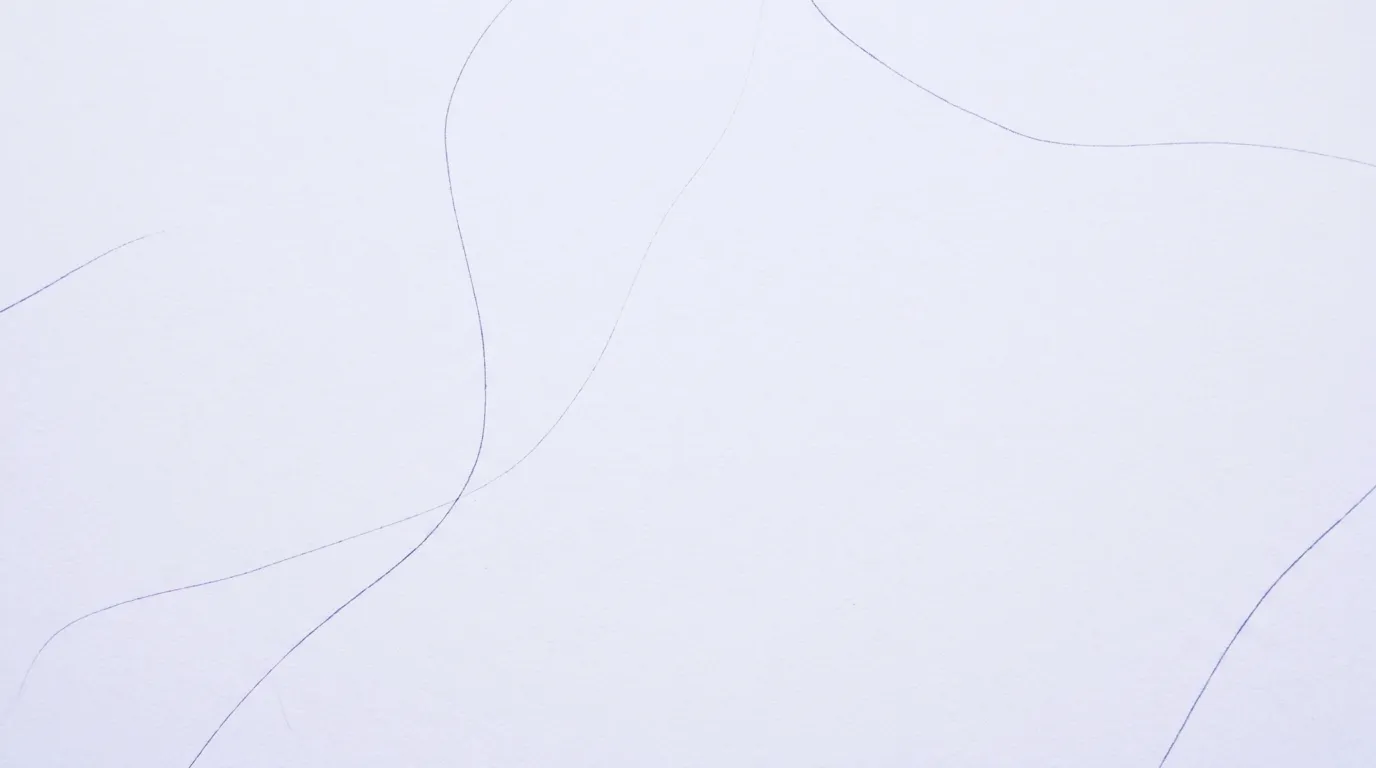
Tangle Paper pole atmosphere

Paper pole

Blog, benchmarks, docs, research

Logo

The ladder

Depth 0 #080814 wells, hero edges
Depth 1 #0C0B1D dark canvas
Depth 3 #1D1B38 cards, code panes
Indigo 600 #4F46E5 buttons, links on paper
Indigo 500 #6366F1 brand core
Indigo 400 #818CF8 accent text on dark
Indigo 300 #A5AAFC glow, emphasis on dark
Periwinkle #C7C9F5 brightest ramp stop
Paper 0 #F5F5FB light canvas
Ink #191C24 text on paper
Pass
#6EE7B7 #047857
Warn
#FCD34D #B45309
Fail
#FB7185 #BE123C

Usage rules

  1. One hue. Tangle is indigo: every gradient is an indigo luminance ramp, never a hue ramp. Multi-hue gradients are banned.
  2. Indigo is the material, not the accent. The dark canvas glows indigo; chromatic emphasis is rationed to one moment per screen.
  3. Every number is data: costs, latencies, span IDs, dates, and versions are set in mono with tabular figures. Mono is never decoration.
  4. Display type stays at weight 600 or below with tight tracking.
  5. Semantic color carries real state, eval pass or fail, gate results, diff add or remove, never mood.
  6. Generated artwork lives in three slots only: full-bleed atmospheres, product-card art, and social covers. Decoration is code-native and derived from product geometry.